Best Mousepad for CS2
The mousepads CS2 pros actually use, ranked by live usage data from cs2pedia's pro dataset - plus how to pick on size, thickness, and surface for your eDPI.
The mousepad is the one peripheral where the pro field has barely argued for years: it’s cloth, it’s control-oriented, and it’s large. What has shifted is the brand landscape. SteelSeries leads the field by a wide margin, ZOWIE holds a strong second, and Artisan - a small Japanese brand with no tournament sponsorship - has climbed into the top tier on pure word of mouth.
The table below is computed live from cs2pedia’s dataset of pro profiles, so it reflects what the scene is actually playing on right now, not a frozen CS:GO-era list. The short version: control cloth won the category outright, and the only real decision left is texture, thickness, and size.
Why Control Cloth Dominates
The mousepad market splits into two surfaces. A control pad uses a textured cloth weave that adds friction, so the mouse slides slower and stops more predictably. A speed pad uses a smoother (often hard or coated) surface that lets the mouse glide farther for the same hand movement. CS2 pros run control surfaces almost without exception, and the usage table above is the proof - every brand near the top is a cloth control pad.
The reason is the way CS2 is played. Counter-Strike rewards holding tight angles, pre-aiming at head level, and making small, repeatable micro-corrections when a target appears. That style wants a surface that lets you stop on a pixel and hold it, not one that keeps the mouse coasting.
Speed surfaces shine in games built around constant large flicks; in CS2 they mostly add overshoot you then have to fight. That tactical fit, not marketing, is why the control pads at the top of the table got there - and why hard “high-speed” pads, which were already a minority in the CS:GO era, have effectively vanished from the pro field.
The Best Mousepad for CS2 (Our Picks)
These picks are ordered by pro usage in our dataset - the more pros on a pad, the higher it sits here. Every one is a current, purchasable model, and the differences between the top few come down to texture and feel, not performance category. Where a pick has a clean retail page we link it directly.
SteelSeries QcK Heavy

SteelSeries QcK Heavy
The most-used mousepad in CS2, achieved without tournament sponsorship. 6 mm rubber backing, sits dead-flat, medium-friction QcK cloth. Leads the table by a wide margin on pure merit.
The single most-used mousepad in CS2, and the no-overthinking default. The QcK family has been the value benchmark in Counter-Strike for over a decade, and the Heavy is the version the pro field has converged on.
The “Heavy” refers to the base: a thick 6 mm rubber backing that sits dead-flat on any desk and adds a bit of cushion under the wrist, on top of the same medium-friction QcK cloth that made the line famous. It leads the table above by a wide margin, and it does it on merit - SteelSeries doesn’t sponsor a tournament circuit, so nothing inflates that number.
ZOWIE G-SR III
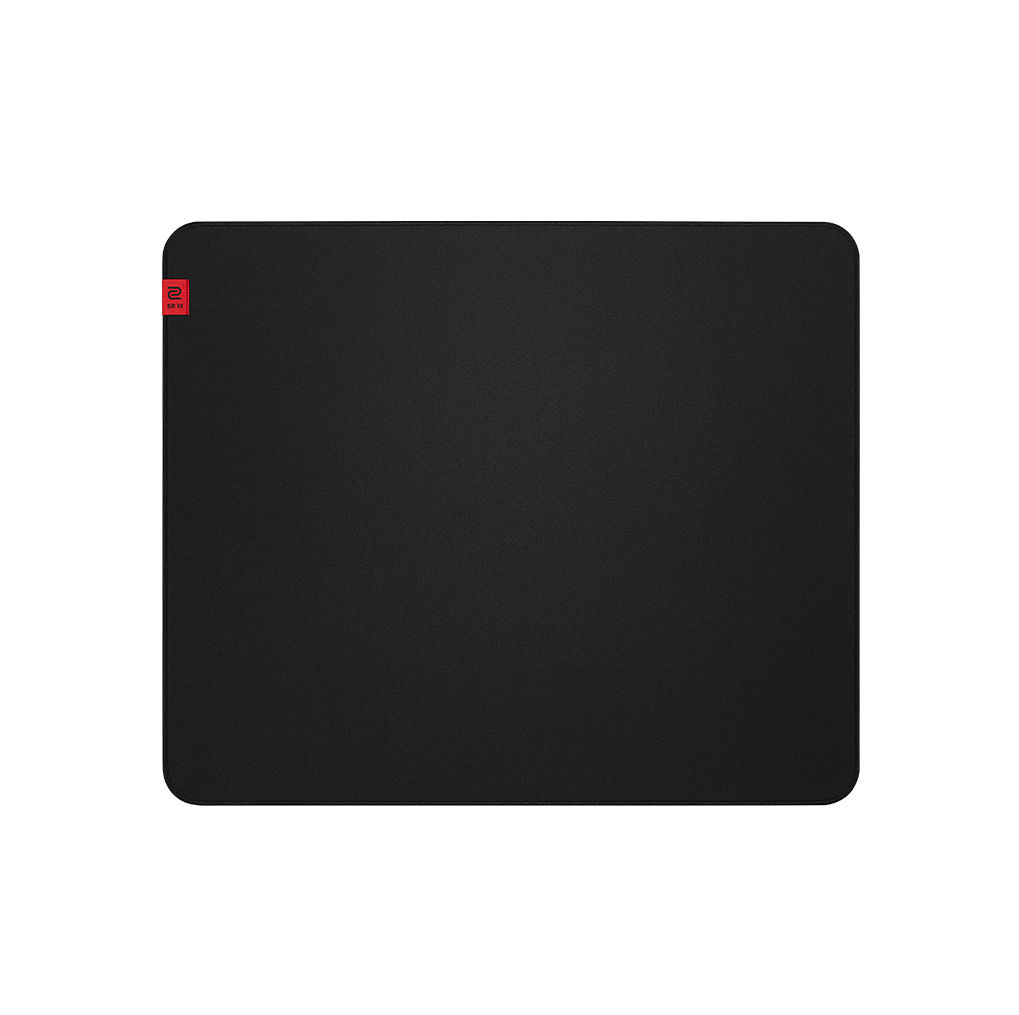
ZOWIE G-SR III
Soft cloth pad - 480 x 400 mm pro size, surface a touch quicker and smoother than the QcK weave. Note: ZOWIE sponsors most major CS2 tournaments, so weigh the usage number accordingly.
The pick for players who want a slightly faster cloth than the QcK. ZOWIE is the second brand by pro share, and the G-SR line is its flagship - a soft cloth pad in the standard 480 x 400 mm pro size, with a surface that feels a touch quicker and smoother than the SteelSeries weave.
The G-SR III is the current model; older G-SR and G-SR II pads still show up across the dataset because pros hold onto pads for years.
One honest caveat: ZOWIE (BenQ) sponsors most major CS2 tournaments, so some of its adoption is contract-adjacent rather than pure free choice - weigh that when you read its share in the table. Even discounting for it, the pad is genuinely good.
Artisan Ninja FX Zero
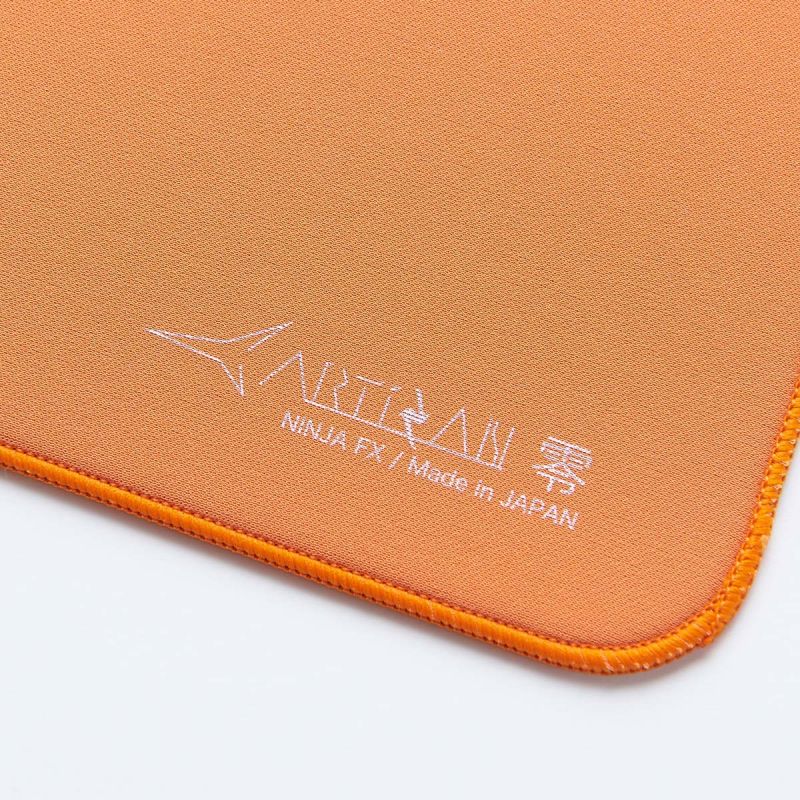
Artisan Ninja FX Zero
No tournament sponsorship - every pro on it chose and paid for it. Ships in firmness grades (XSoft, Soft, Mid); poron foam base grips the desk better than standard rubber.
The premium pick, and the most interesting story in the table. Artisan is a small Japanese maker with no tournament sponsorship at all, which makes its climb into the top tier the cleanest signal on this list - every pro on one chose it and paid for it.
The Ninja FX Zero ships in firmness grades (XSoft, Soft, Mid); the softer grades sink slightly under the mouse for more stopping control, the firmer ones glide more freely, so you tune feel by picking a grade rather than buying a different pad.
Its real edge is the base: a poron foam backing that grips the desk better than standard rubber and resists shifting mid-clutch. It costs noticeably more than the QcK or Gigantus, so it’s the upgrade pick rather than the default.
Razer Gigantus V2
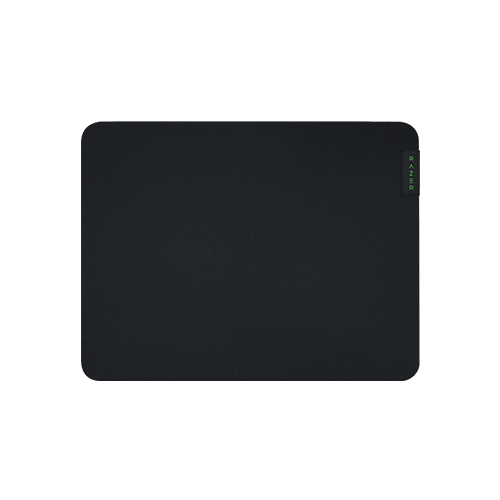
Razer Gigantus V2
Second individual model by pro count - striking for a pad that undercuts the Artisan by a wide margin. Micro-textured cloth, feels a hair smoother than the QcK Heavy.
The pick for a budget control pad that punts on nothing. The Gigantus V2 is the second individual model by pro count in the table above, which is striking for a pad that undercuts the Artisan by a wide margin on price. It’s a micro-textured cloth surface with a thin, grippy base, and it comes in true pro sizes (Large and XXL). It feels a hair smoother than the QcK Heavy without crossing into speed-pad territory.
Logitech G640

Logitech G640
Logitech's own large cloth pad - the one it uses to test its mice. 3 mm base, surface slightly faster than QcK weave while staying in control territory. Widely stocked.
The underrated, easy-to-find pick. The G640 is Logitech’s own large cloth control pad - the one it uses to test its mice - and it holds a steady slice of the pro field across the dataset.
Its 3 mm rubber base makes it thinner than the QcK Heavy, and the surface runs slightly faster than the SteelSeries weave while staying firmly in control territory. It’s widely stocked and sensibly priced, which makes it a frictionless choice if the QcK is out of stock or you just want a known-good pad without thinking about it.
A note on one model you’ll see in the table but not in the picks above: the VAXEE PA Black holds a real share of the pro field, but it doesn’t have a clean retail product page we’re comfortable linking, so we’ve left it as a table entry rather than a buy recommendation. If a smooth-cloth VAXEE is on your radar, it’s a legitimate option - just check current availability yourself.
How to Pick: Size, Thickness, Surface
For most CS2 players the pad choice comes down to three knobs, and the dataset points the same way on all three.
- Size. Large (roughly 450 x 400 mm) is table stakes. This is the size almost the entire pro field runs, and the reason is sensitivity: pros play at low eDPI - that’s DPI multiplied by in-game sensitivity, the only number that compares fairly across different DPI settings - and low eDPI means big arm sweeps that need real surface area. If your eDPI is very low (sub-400), an XL or extended mat can be worth it. Most players don’t need to go bigger than Large.
- Thickness. Thicker bases (4–6 mm, like the QcK Heavy) add wrist cushion and sit flatter on uneven desks. Thinner pads (2–3 mm, like the G640) are lighter to carry and pack flatter - relevant if you play LAN and want to bring your own surface. Thickness is comfort and portability, not performance.
- Surface. Control cloth is the pro default, full stop, for the angle-holding reasons above. Within control cloth there’s a spectrum from grippier (QcK Heavy, Artisan softer grades) to faster (G-SR III, G640), and which one suits you is a feel call best made by your own hand. Hard and speed pads are the exception, not the rule, in competitive CS2.
What Pros Use vs What You Should Buy
Pro pad choices carry some sponsorship influence, same as every other peripheral. ZOWIE sponsors most major tournaments, so part of its share reflects org-level supply rather than a player hunting down that exact pad - which is exactly why we flagged it on the G-SR III above.
What protects you is which brands rose without that tailwind. SteelSeries doesn’t run a tournament circuit, and Artisan has no sponsorship deal at all - yet both sit high in the table. That makes the QcK Heavy and the Ninja FX Zero the two cleanest signals on this page: their adoption is players choosing and paying, with nothing inflating the count. If you want a pad whose ranking is pure merit, start with one of those two.
Past that, buy for feel, not the leaderboard. The differences between the top control pads are small and tactile - grip versus glide, thick versus thin - and no usage chart can tell you which weave your hand prefers. The dataset tells you which pads are proven; your own stroke tells you which proven pad is right for you.
A Note on the Data
These rankings reflect real pro usage, computed at build time from cs2pedia’s dataset of 1,000+ active pro profiles. That’s the whole point of this guide: the numbers are live and sourced from the same database that powers the rest of the site, not a hand-typed list that goes stale the moment a player swaps gear. Hardware changes between events, though, and the dataset is a snapshot rather than a live feed - so treat the exact ordering as current-but-not-instant.
If you want to dig further: browse every mousepad in the dataset on the gear index, or check individual player profiles to see exactly who runs what.
The rest of the setup matters too - pair your pad with the right mouse, keep the cable out of the way with a mouse bungee, and see the full setup guide to tie it together. The pad is a quieter lever than the mouse, but a control surface in the right size is the cheapest consistency upgrade in the whole kit.
Affiliate disclosure: some links on this page are affiliate links, and a purchase may earn cs2pedia a commission at no extra cost to you. This does not influence which products appear or how they are ranked - the rankings reflect real pro usage data, full stop.